Three Digital Banking Errors That Quietly Erode Your Financial Control
Digital banking promised unprecedented convenience and control over our money. In many ways, it delivered. The ability to pay bills, transfer funds, and track spending from anywhere has revolutionized personal finance. Yet, in my experience, this very convenience often leads to a false sense of security, masking subtle errors that quietly erode our financial control. What changed everything for me was recognizing these insidious mistakes and implementing concrete strategies to counter them.
I’ve watched countless friends and clients, initially thrilled with their banking apps, gradually lose touch with the nuances of their money. They’d see a green checkmark indicating a payment, but miss the fine print on a late fee. They’d swipe their card, oblivious to how easily recurring subscriptions accumulated. The mistake I see most often isn’t malicious hacking or outright fraud, but a slow, almost imperceptible drift away from intentional financial management, lulled by the ease of digital transactions. This isn’t about shunning digital tools; it’s about mastering them with a deeper understanding of their potential pitfalls.
Key Takeaways
- Over-reliance on automation risks overlooking critical transaction details and hidden fees.
- Neglecting a dedicated digital audit routine leads to subscription creep and forgotten accounts.
- Ignoring the psychological impact of frictionless spending can detach you from your money’s true value.
- Secure your digital banking by actively engaging with transaction details and setting up manual review triggers.
Ignoring Transaction Details Due to Automation Fatigue
One of the biggest promises of digital banking is automation. Set up recurring payments for bills, schedule transfers, and auto-categorize spending—it all sounds incredibly efficient. And it can be. However, this ease can breed a dangerous level of complacency, leading to what I call automation fatigue. You set it once, forget it, and assume everything is fine. The consequence? You quietly pay more than you should, miss errors, and lose a crucial sense of financial stewardship.
I once helped a client who was adamant they had their finances under control. Every bill was set to auto-pay. Yet, after reviewing their statements, we discovered they had been paying for an upgraded internet package they never used for over a year. The monthly difference was small, around 200 NOK, but it added up to 2,400 NOK annually – a vacation flight they’d sacrificed. The bank statement merely showed a ‘payment to ISP,’ which they’d mentally checked off without a second glance. This wasn’t a bank error; it was an oversight born from trusting automation implicitly.
What changed everything for them, and what I now recommend to everyone, is to actively review transactions, even automated ones. This doesn’t mean poring over every line every day. Instead, I suggest setting up specific triggers for review. For example, instruct your banking app to send you a notification if a recurring bill amount changes by more than 10%. Or, create a calendar reminder to review all recurring payments quarterly. Look at the full transaction description, not just the payee. Does a ‘streaming service’ payment match the service you intend to keep? Is the ‘utility bill’ within a reasonable range? This active engagement transforms passive payments into informed financial decisions, instantly restoring a layer of control.
Neglecting a Digital Account Audit Routine, Leading to Subscription Creep
The digital age makes signing up for services incredibly easy. Free trials abound, and converting to a paid subscription often involves nothing more than a click. The result is subscription creep, a silent financial drain that many overlook because individual charges seem insignificant. The consequence is a fractured financial landscape dotted with forgotten memberships, unwanted services, and dwindling funds. Without a rigorous digital account audit routine, you are essentially leaving money on the table, often hundreds or even thousands of kroner each year.
I vividly recall helping a friend identify why their discretionary spending felt so tight despite a steady income. Their digital bank app had neatly categorized all their ‘entertainment’ and ‘subscriptions’ together. It seemed manageable. However, when we sat down and manually listed every single recurring charge, we unearthed a gym membership from a city they no longer lived in, three different streaming services they rarely watched, an app subscription for a foreign language they’d abandoned, and a ‘premium’ cloud storage plan they didn’t need. Individually, these charges were 50-150 NOK. Collectively, they amounted to over 800 NOK every month, a sum that could have covered a significant portion of their grocery bill or accelerated debt repayment.
What truly works to combat this is establishing a dedicated, recurring digital audit. I recommend a monthly or, at minimum, quarterly routine. Dedicate 30 minutes to log into each banking and credit card portal. Use the search function for keywords like ‘monthly,’ ‘annual,’ ‘subscription,’ ‘membership,’ or common streaming service names. Compare these charges against a simple list of services you know you actively use and value. Don’t just scan; mentally confirm each one. For anything questionable, investigate immediately. Cancel what’s unnecessary. This proactive approach turns forgotten charges into reclaimed funds, giving you a tighter grip on your outflow.
Overlooking the Psychological Impact of Frictionless Spending
Digital banking makes spending astonishingly easy. A few taps, a fingerprint, a glance at your phone, and a purchase is complete. This frictionless experience is designed for convenience, but it has a significant, often overlooked psychological impact: it detaches us from the tangible value of money. When transactions feel abstract and effortless, the real cost of a purchase becomes less impactful, leading to impulse buying and an unintentional increase in overall spending. The consequence is a loss of mindful financial decision-making.
I’ve seen this play out with many clients, particularly those who rely heavily on digital wallets or single-click payment options. They might be meticulous budgeters on paper, but their actual spending habits diverge significantly. One client, tracking their ‘coffee budget,’ consistently overshot it. When we examined their habits, they realized they rarely handled cash or even physically pulled out their card. Every coffee was a quick tap of their phone at the register, a transaction so seamless it barely registered as ‘spending’ in their mind. The physical act of handing over money, or even entering a PIN, provides a small moment of friction, a tiny pause that forces a conscious decision.
To counter this, and what changed my own spending habits, is to reintroduce intentional friction into digital payments. This doesn’t mean abandoning digital banking altogether. Instead, it involves conscious choices. Consider removing your card details from one-click payment sites. Use a dedicated banking app for payments instead of a digital wallet for larger purchases, requiring a login and potentially a PIN. For recurring micro-transactions, like daily coffee, challenge yourself to pay with a physical debit card or even cash for a week. This slight increase in effort forces a moment of reflection, reconnecting you with the actual exchange of value. It reinforces the idea that money isn’t an endless digital stream, but a finite resource earned through effort.
Assuming Digital Security Is Automatic, Leading to Vulnerability
Many assume that because a bank provides an app, their money is automatically secure. The sleek interfaces, biometric logins, and encrypted connections certainly give that impression. However, this assumption is a grave error. Your digital security is not solely the bank’s responsibility; a significant portion rests on your active practices. The consequence of this oversight is a heightened vulnerability to phishing, unauthorized access, and identity theft, potentially leading to substantial financial losses and emotional distress.
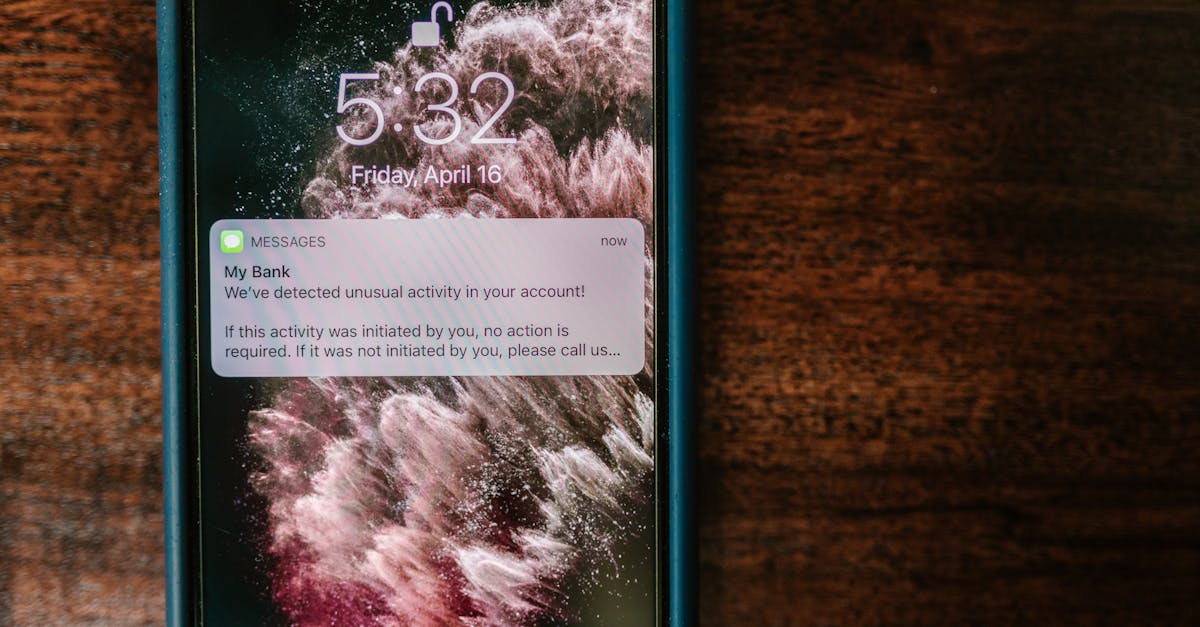
A colleague once learned this the hard way. They received an SMS text message that appeared to be from their bank, stating there was suspicious activity on their account and providing a link to verify it. In a moment of panic, they clicked the link, entered their login credentials, and unknowingly handed over their access to a fraudster. The bank’s systems were robust, but their personal digital hygiene—specifically, failing to verify the sender and URL—was the weak link. The ease of interaction through a phone, combined with the perceived urgency, bypassed their usual caution.
What actually works is cultivating a mindset of proactive digital vigilance. Treat every unsolicited digital communication with skepticism, especially if it involves logging into an account. Always navigate directly to your bank’s official website or app, rather than clicking links. Enable and regularly review two-factor authentication (2FA) for all financial accounts. Use strong, unique passwords, ideally managed through a reputable password manager. Regularly check your transaction history for unfamiliar activity, no matter how small. This layered approach to digital security transforms you from a passive recipient of protection to an active guardian of your finances.
Failing to Integrate Digital Spending with a Holistic Financial View
Digital banking tools often excel at showing you granular details: ‘This month’s spending on groceries,’ ‘Last week’s restaurant tabs.’ While useful, focusing too much on these micro-views can prevent you from seeing the bigger financial picture. When digital spending isn’t actively integrated into a holistic financial plan, it’s easy to lose track of overarching goals like savings targets, debt reduction, or retirement planning. The consequence is disjointed financial progress, where daily spending habits might unintentionally undermine long-term ambitions.
I worked with a young professional who meticulously categorized every digital transaction. They knew exactly how much they spent on ‘eating out’ or ‘transportation.’ However, they felt stuck, unable to move past a certain savings threshold. Their digital tools showed them where money went, but not how that related to their future. They were optimizing their current spending, but without a clear link to their aspiration of buying a home in three years, their savings felt arbitrary and easy to dip into.
What changed everything for them was implementing a macro-to-micro financial review. Instead of just categorizing, we started with their big goals: ‘Down payment for a home: 50,000 NOK per year.’ Then, we broke that down into monthly and weekly savings targets. Only then did we look at their digital spending. Now, when they see their ‘eating out’ category, they instantly connect it to the impact on their home savings goal. Many banking apps allow you to set specific savings goals and even link transfers to them. If yours doesn’t, a simple spreadsheet or dedicated budgeting app can bridge this gap. Regularly review your actual digital spending against your larger financial objectives. This integration creates meaning behind every kroner spent, transforming daily transactions into steps toward a larger vision.
Frequently Asked Questions
How often should I review my digital bank statements?
Ideally, a quick review of activity should happen weekly, looking for unfamiliar transactions. A more thorough review of all recurring charges and overall spending patterns should occur monthly or at least quarterly. This helps catch errors, identify subscription creep, and keep your financial picture clear.
Are biometric logins (fingerprint, face ID) truly secure for banking apps?
Yes, biometric logins are generally very secure and often more convenient than traditional passwords. They add a strong layer of security, as your unique biological data is hard to replicate. However, they should always be combined with other security practices, such as strong device passcodes and two-factor authentication for critical changes or new device logins, as a layered defense is always best.
What is ‘two-factor authentication’ (2FA) and why is it important for digital banking?
Two-factor authentication (2FA) adds a second layer of security beyond your password. It typically involves something you know (your password) and something you have (a code sent to your phone, an authenticator app, or a physical security key). This means even if someone steals your password, they can’t access your account without the second factor, significantly increasing your security against unauthorized access.
Can digital banking apps track my spending too closely, raising privacy concerns?
Many digital banking apps offer spending categorization and insights, which can be incredibly useful. While they do track your transactions to provide these features, reputable banks are bound by strict privacy regulations. Your data is typically anonymized and aggregated for internal analysis, not shared with third parties for marketing without your explicit consent. However, if privacy is a top concern, you can often disable some of these analytical features within the app settings or use alternative budgeting methods that don’t share data with your bank.
How can I make digital spending feel more ‘real’ to avoid impulse purchases?
To reintroduce friction and make digital spending feel more tangible, try removing saved card details from online shopping sites, requiring you to manually enter them for each purchase. For larger transactions, avoid one-click payment options and use your banking app directly, which often requires a full login. For smaller, frequent purchases, consider occasionally using a physical debit card or even cash to physically feel the exchange of money. These small acts can help you reconnect with the value of your money.
Reclaiming financial control in the digital age isn’t about abandoning the convenience that banking apps offer. Instead, it’s about navigating the digital landscape with an informed and proactive mindset. By actively reviewing transactions, regularly auditing your accounts, reintroducing conscious friction into your spending, and maintaining robust digital security, you transform from a passive user into an engaged financial steward. The power lies not just in the tools, but in how intentionally you choose to wield them. Start by implementing one of these strategies this week – your financial peace of mind will thank you.
Written by Liam O'Connell
Productivity, finance, and community living
A former community organizer with a passion for simplifying life's challenges into actionable steps.
You Might Also Like
Digital Banking or Cash: Securing Your Spending with Confidence
Comparing digital banking and cash for spending security and control. Uncover the overlooked factors that truly protect your money.

Digital Banking Isn't Automatically Safer: Your Habits Matter More
Uncover why the perceived security of digital banking is often a myth and learn actionable habits to truly protect your finances.
Three Digital Banking Errors That Quietly Erode Your Financial Control
Uncover the silent mistakes in digital banking that erode your financial control and learn actionable strategies to reclaim it.