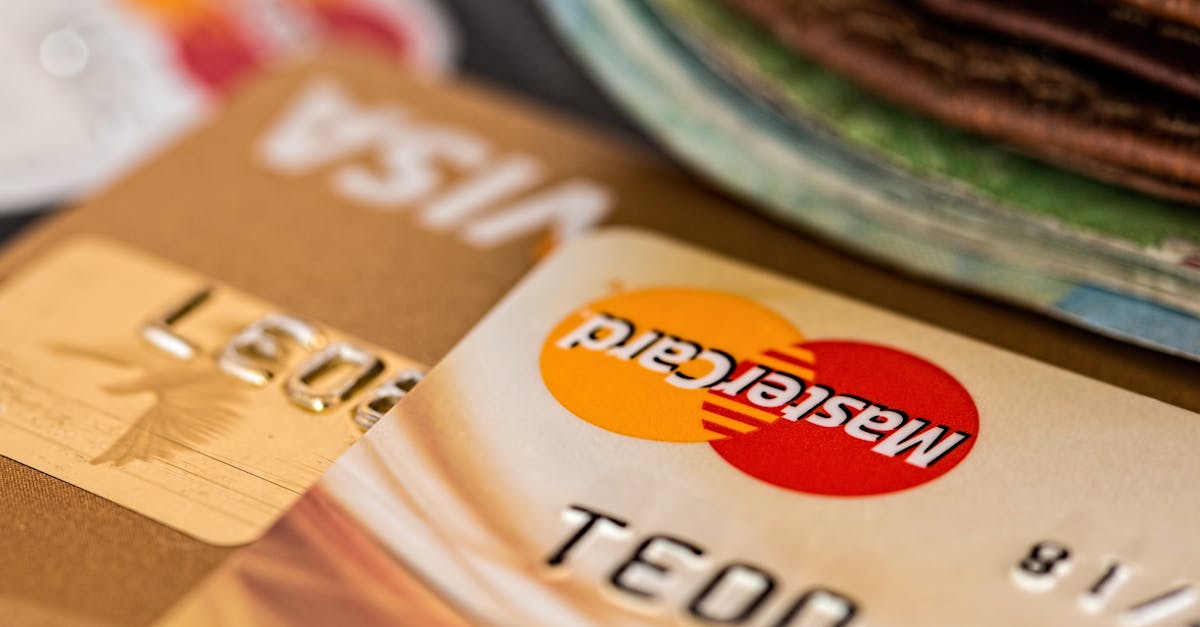
Digital Banking or Cash: Securing Your Spending with Confidence
When I first moved my banking almost entirely online a decade ago, I felt like a financial pioneer. No more worrying about a lost wallet on a night out; my phone, with its layers of security, seemed invincible. Yet, over the years, I’ve realized that the ‘inherent safety’ of digital transactions is often an illusion. The truth is, both digital banking and cash come with their own unique security vulnerabilities and advantages. My journey has taught me that true financial security isn’t about choosing one over the other, but understanding how each works and where your habits impact your protection. The mistake I see most often is people assuming digital means perfectly safe, or that cash is always a risk. What changed everything for me was looking beyond the glossy promises of apps and the traditional wisdom of ‘cash is king’ to the practical realities of how money moves and how it can be protected.
Key Takeaways
- Digital banking offers robust fraud protection features but demands diligent personal security habits to be truly safe.
- Cash transactions provide immediate anonymity and eliminate digital footprints but are vulnerable to physical loss or theft.
- Secure spending involves understanding the specific risks of each method and implementing layered protections, not choosing one exclusively.
- Relying solely on your bank’s security features for digital transactions is a common oversight; personal vigilance is equally crucial.
Digital Banking’s Layers of Protection Mask Personal Vulnerabilities
When you think about digital banking security, you probably imagine encrypted connections, multi-factor authentication, and sophisticated fraud detection algorithms. And you’d be right – banks invest billions in these systems. In my experience, these technological safeguards are incredibly effective at preventing large-scale attacks and recovering funds from unauthorized transactions. For instance, I once had a fraudulent charge of $47.88 appear on my online statement from an obscure website. Within minutes of reporting it through the app, my bank flagged it, reversed the charge, and issued a new virtual card number, all without me having to speak to a human. This level of automated protection is a significant advantage over cash, where a stolen $47.88 is simply gone.
However, this robust infrastructure often lulls users into a false sense of complete security, making them overlook critical personal vulnerabilities. The biggest oversight I see is a lack of vigilance regarding phishing attempts and unsecured logins. Your bank might have the best encryption, but if you click a malicious link in an email that mimics your bank, enter your credentials on a fake site, and then use the same weak password for multiple accounts, you’ve handed the keys directly to a fraudster. I learned this the hard way years ago when I clicked a convincing ‘account locked’ email. Luckily, I caught myself before entering sensitive details, but the momentary panic was a stark reminder that technology can only do so much if human error opens the door. Strong, unique passwords for every account, ideally managed by a reputable password manager, and two-factor authentication (especially hardware tokens or authenticator apps over SMS) are non-negotiable for digital security. Your bank’s system is strong, but it’s only as strong as your weakest personal habit.
Cash Offers Anonymity But Lacks Transactional Trail Security
Cash, on the other hand, provides a completely different kind of security: anonymity and immediate finality. When you pay with a $20 bill, that transaction is largely untraceable. There’s no digital record linking you to the purchase, no data being collected or sold. This can be incredibly valuable for privacy, especially in a world where every digital interaction leaves a footprint. For certain sensitive purchases or simply for peace of mind about data collection, cash remains the ultimate private transaction method. I carry a small amount of cash for my weekly farmers market run specifically because I appreciate the simple, direct exchange without any digital intermediaries.
However, this very anonymity is also its greatest weakness from a security standpoint. If your cash is lost or stolen, it is almost impossible to recover. There’s no ‘fraud department’ to call for a stolen $100 bill. The transaction cannot be reversed. Unlike a compromised debit card, where funds might be temporarily inaccessible but often recoverable thanks to consumer protection laws, a lost banknote is gone forever. This trade-off became clear to me when I misplaced a wallet with about $150 cash inside during a trip. While my cards were easily cancelled and reissued, that cash was a total loss, and a valuable lesson in not carrying more than I was comfortable losing. For larger sums, this risk escalates significantly. The security of cash is entirely dependent on your physical control over it, which is inherently less robust than the digital protection layers.
The Overlooked Costs of Digital Convenience
The convenience of digital banking is undeniable. Instant transfers, bill pay, budgeting tools, and mobile deposits have streamlined my financial life significantly. I can manage virtually all my accounts from my phone, anytime, anywhere. This convenience, however, often comes with subtle, overlooked costs that impact security in indirect ways. For one, the ease of spending can lead to mindless consumption. A tap of a card or a click online feels less ‘real’ than handing over physical money, making it easier to overspend and harder to track immediate cash flow.
More critically from a security perspective, the proliferation of digital services increases your attack surface. Every new app, every online merchant, every third-party financial tool connected to your bank account is another potential point of entry for a cybercriminal. Many users connect budgeting apps, investment platforms, or online shopping accounts to their primary bank, often granting broad access permissions. In my early days of embracing digital tools, I enthusiastically linked several apps to my checking account without fully understanding the implications. What changed for me was reading about a data breach at a seemingly innocuous third-party app that had access to thousands of users’ bank data. I immediately reviewed all my connected apps, revoked unnecessary permissions, and now operate with a much stricter ‘need-to-know’ policy for my financial data. The convenience of connecting everything is a double-edged sword that requires constant vigilance.
The Real-World Impact of Physical Cash Vulnerabilities
While digital banking faces cyber threats, cash’s vulnerabilities are decidedly physical. The most obvious is theft, whether through pickpocketing, robbery, or a home invasion. If a digital bank account is compromised, the funds are usually insured and recoverable. If cash is stolen, it’s a direct, permanent loss. This is why I never keep significant amounts of cash at home; the risk of total loss far outweighs the convenience. A common misconception is that a bank vault is the only safe place for large sums of cash. While true, a more nuanced understanding recognizes that modern consumer protections for digital accounts offer a different, often superior, form of security against loss.
Another less obvious vulnerability of physical cash is its susceptibility to damage or destruction. Floods, fires, or even simply misplacing it in the trash can render cash worthless or inaccessible. I know a story of a friend who accidentally put a wad of cash through the washing machine; while some bills survived, many were too damaged to be accepted. This isn’t a problem with digital funds. Your money exists as data, replicated and backed up across secure servers, resilient to physical calamity in a way that physical currency can never be. The real-world context matters here: the likelihood of a digital fraud incident vs. a physical theft or accident. For many, the ability to recover from fraud makes digital a more secure option for the bulk of their funds, despite the cyber risks.
Creating a Layered Security Strategy for Confident Spending
Given the unique strengths and weaknesses of both digital banking and cash, a truly secure spending strategy involves a layered approach, rather than an exclusive reliance on one method. This is what changed everything for me: understanding that I don’t have to pick a side. For the majority of my spending and for storing my substantial funds, digital banking is my primary choice due to its robust fraud protections and the ease of managing larger sums.
For physical transactions, I carry a small, fixed amount of cash, typically no more than $50-$100, which I replenish as needed. This amount is low enough that its loss would be an inconvenience, not a financial catastrophe. This allows me to enjoy the privacy and simplicity of cash for small purchases, while still protecting my overall financial well-being. For even greater security with digital payments, I use virtual card numbers for online shopping whenever possible, as these can be instantly canceled without affecting my primary card. I also regularly review my bank statements, not just for accuracy, but for any unusual patterns that might indicate a compromise. Implementing these intentional, layered safeguards has given me far more confidence in my spending, knowing I’m leveraging the best of both worlds while mitigating the inherent risks of each. It’s not about being paranoid, but about being proactive and informed.
The Future of Spending: Blending Protection and Practicality
The landscape of spending continues to evolve, with new digital payment methods emerging constantly. While innovations like contactless payments and cryptocurrency offer new levels of convenience and, in some cases, privacy, they also introduce novel security considerations. The core principle, however, remains the same: understand the specific risks and implement appropriate safeguards. I’ve found that the best approach is to stay informed about these new technologies but to approach them with a healthy dose of skepticism until their security profiles are well-understood. For instance, I might experiment with a new payment app for small, non-critical transactions before ever considering it for larger sums.
Ultimately, neither digital banking nor cash is a perfect, foolproof solution for all spending scenarios. Digital offers unparalleled recoverability and advanced fraud detection for large sums, provided you maintain stringent personal cyber hygiene. Cash offers undeniable privacy and simplicity for small, everyday transactions but comes with the risk of total, unrecoverable loss. The most secure path is a thoughtful blend of both, leveraging the strengths of each while actively mitigating their weaknesses. Your goal should be to create a personal financial ecosystem where you feel confident your money is protected, whether it’s flowing through encrypted networks or changing hands as tangible currency. This isn’t just about financial security; it’s about financial peace of mind.
Frequently Asked Questions
Is digital banking truly more secure than carrying cash?
Digital banking generally offers greater security for large sums due to fraud protection, transaction monitoring, and recovery mechanisms by banks. However, its safety depends heavily on your personal cyber security habits, such as using strong passwords and recognizing phishing attempts. Cash, while offering anonymity, is vulnerable to permanent loss if stolen or misplaced, without any recourse for recovery.
What are the main risks of using cash for purchases?
The primary risks of using cash include permanent loss if stolen or misplaced, susceptibility to physical damage (like being destroyed in a fire or flood), and a lack of transactional record, which can complicate budgeting or proving purchases for returns.
How can I make my digital banking more secure?
To enhance digital banking security, use strong, unique passwords for all accounts, ideally managed by a password manager. Enable two-factor authentication (preferably with an authenticator app or hardware key). Be vigilant against phishing scams, never click suspicious links, and regularly review your bank statements for unauthorized activity. Limit connecting your bank account to third-party apps and always revoke unnecessary permissions.
When is it better to use cash instead of digital payments?
Using cash is generally better for small, everyday purchases where privacy is desired, or when you want to impose a strict spending limit to avoid overspending (as handing over physical money feels more concrete). It can also be useful in situations where digital payment systems might be unreliable or unavailable.
What is ‘layered security’ in the context of spending?
Layered security for spending means combining both digital banking and cash in a way that maximizes the strengths and minimizes the weaknesses of each. For example, using digital banking for most transactions due to its fraud protection, while carrying a small amount of cash for minor, private purchases. It also involves implementing multiple personal security measures for your digital accounts, rather than relying on a single safeguard.
Written by Liam O'Connell
Productivity, finance, and community living
A former community organizer with a passion for simplifying life's challenges into actionable steps.
You Might Also Like

Digital Banking Isn't Automatically Safer: Your Habits Matter More
Uncover why the perceived security of digital banking is often a myth and learn actionable habits to truly protect your finances.
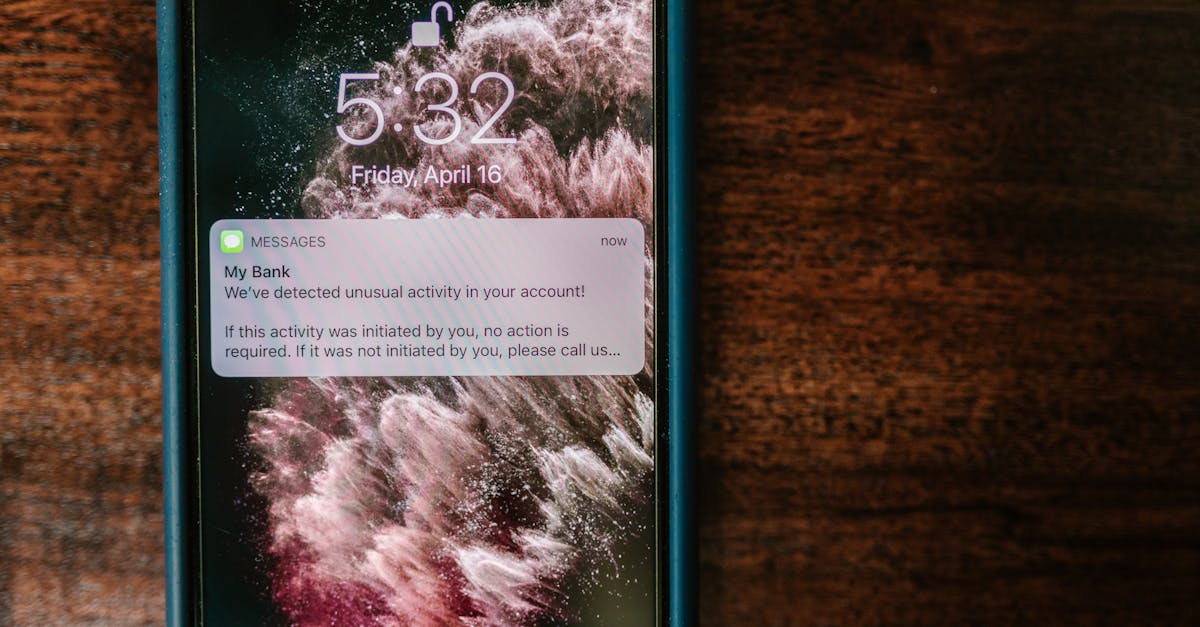
Three Digital Banking Errors That Quietly Erode Your Financial Control
Uncover the silent mistakes in digital banking that erode your financial control and learn actionable strategies to reclaim it.
Three Digital Banking Errors That Quietly Erode Your Financial Control
Uncover three common digital banking errors that silently diminish your financial control and learn actionable strategies to reclaim it.