Three Digital Banking Errors That Quietly Erode Your Financial Control
When I first embraced digital banking years ago, I envisioned a future of effortless financial management: instant transfers, clear spending analytics, and seamless bill payments, all from the palm of my hand. The reality, however, often falls short, not because the technology is flawed, but because our habits around it are. I’ve seen countless friends, and, admittedly, myself at times, fall into subtle traps that slowly chip away at their financial control. It’s not about avoiding digital banking altogether – the convenience is undeniable – but about understanding where the hidden pitfalls lie and actively sidestepping them. The mistakes aren’t glaring, catastrophic errors; they’re quiet, insidious patterns that, over time, can make you feel disconnected from your own money, despite the illusion of constant access.
Key Takeaways
- Over-reliance on auto-pay can lead to missed budget adjustments and increased spending creep.
- Neglecting manual reconciliation in favor of automatic categorization obscures true spending patterns.
- Failing to review recurring digital subscriptions consistently results in unnecessary monthly drains.
- Allowing notification fatigue to set in can lead to critical financial alerts being ignored.
Over-Reliance on Auto-Pay Brings Unexpected Spending Creep
When I first set up auto-pay for my bills, I felt like a financial wizard. No more late fees, no more missed deadlines – pure, unadulterated productivity! For about two years, this felt like a godsend. Then, one month, I looked at my credit card statement and realized my ‘fixed’ monthly payments for certain services had quietly crept up by 10-15% without me noticing. The convenience had bred complacency. The issue isn’t auto-pay itself, but the false sense of security it provides. We set it and forget it, assuming the amounts will remain static or that we’ll be notified of changes prominently. In my experience, these notifications are often buried in promotional emails or vague policy updates, easily overlooked. The consequence is a slow, almost imperceptible increase in your outflow that, when aggregated across multiple services, becomes a significant sum. For instance, my internet bill, originally $70, had become $85. My streaming services, initially $15, were now $20 each. Individually, these felt minor, but collectively, it was an extra $75 a month that was simply vanishing without an active decision on my part. What changed everything for me was implementing a bi-annual auto-pay audit. Every six months, I log into each service and compare the current auto-pay amount to its original setup. This active review forces me to acknowledge any increases, decide if the service is still worth the cost, and often prompts me to call for a better rate or cancel if it’s no longer serving me.
Neglecting Manual Reconciliation Obscures True Spending Patterns
Digital banking apps promise to categorize your spending automatically, presenting neat pie charts and bar graphs that look like complete financial clarity. For a long time, I trusted these tools implicitly. My bank app would label a grocery store purchase as ‘Groceries,’ and I’d nod, satisfied. The mistake I see most often is believing these automated labels tell the whole story. I learned this the hard way when my ‘Dining Out’ category skyrocketed, but I couldn’t remember eating out that much. Upon closer inspection, the app had categorized my Friday afternoon coffee run and a quick sandwich grab as ‘Dining Out,’ alongside an expensive dinner. While technically true, it masked my true discretionary spending versus necessary food purchases. What changed everything for me was re-introducing a simple, weekly manual reconciliation process. Once a week, I sit down with my transactions and a spreadsheet. I don’t just accept the app’s categorization; I refine it. Did that ‘Grocery’ transaction include a new kitchen gadget? That’s a ‘Home Goods’ expense. Was that ‘Dining Out’ actually a work lunch expensed later? That’s a ‘Reimbursable Expense.’ This active engagement forces me to confront every dollar spent, understanding the context of the purchase, not just the vendor. It takes 15-20 minutes but provides a level of granular insight no automated system can replicate, giving me real control over where my money actually goes.
Failing to Review Recurring Digital Subscriptions Brings Unnecessary Monthly Drains
In the digital age, it’s incredibly easy to sign up for a ‘free trial’ or a nominal monthly subscription. Before I knew it, I was subscribed to three different news outlets, two meditation apps, a niche streaming service I barely used, and a photo editing tool that I’d forgotten was still charging me after the initial project. Each was only a few dollars, but they added up to almost $60 per month – money that was simply draining away for services I either didn’t use or could easily replace with free alternatives. The insidious nature of digital subscriptions is their low individual cost, making them easy to ignore until they accumulate into a significant monthly outflow. My personal wake-up call came when my bank flagged a ‘suspicious’ foreign transaction for a service I vaguely remembered from a work project, only to realize I had been paying for it for 18 months. What changed everything for me was implementing a quarterly subscription audit. I use a dedicated financial tool that lists all recurring payments, but crucially, I don’t just look at the list; I action it. For each subscription, I ask: Have I used this in the last month? Is it truly essential? Is there a free or cheaper alternative? This active, disciplined review almost always leads to at least one cancellation, immediately freeing up funds and giving me a clear picture of my true fixed digital expenses.
Ignoring Notification Fatigue Leads to Missed Financial Alerts
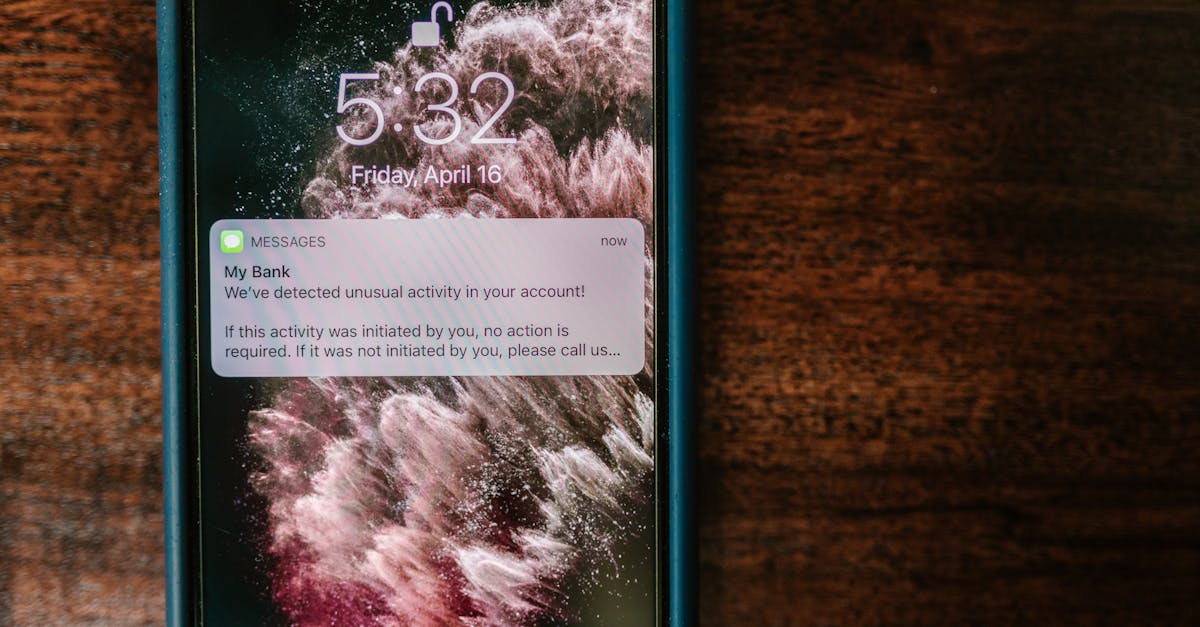
My phone used to buzz constantly with bank notifications: ‘Transaction alert!’, ‘Low balance warning!’, ‘Credit card payment due soon!’ Initially, these were helpful. But over time, as I received more and more, my brain started to filter them out. The constant interruption became noise, leading to notification fatigue. The consequence? I missed a crucial low-balance warning before an auto-pay kicked in, resulting in an overdraft fee. I also almost missed a credit card payment due to an ignored ‘due soon’ alert. The irony is that the very tools designed to keep us informed can become so overwhelming that they render us ignorant. What changed everything for me was a radical overhaul of my notification settings. Instead of allowing every potential alert, I carefully selected only the most critical ones: ‘Large transaction alert (over $200),’ ‘Balance below $500,’ and ‘Upcoming bill payment (48 hours before).’ For less critical updates, I rely on my weekly manual reconciliation. This minimalist approach ensures that when my phone does buzz with a financial alert, it truly demands my attention, rather than blending into a sea of digital chatter. It’s about prioritizing signal over noise to maintain actual control.
Frequently Asked Questions
How often should I review my auto-pay settings?
I recommend reviewing your auto-pay settings bi-annually, or at least once a year. This forces you to acknowledge any creeping increases in service costs, reassess the value of the service, and decide if you want to continue with the payment as is. It’s a proactive step to prevent unnoticed spending creep.
Is manual reconciliation still necessary with smart budgeting apps?
In my experience, yes. While smart apps offer convenience, their automated categorization can sometimes mask the true nature and context of your spending. Manual reconciliation, even for 15-20 minutes a week, provides a granular understanding of where your money goes, fostering a deeper connection to your finances and enabling more informed decisions.
What’s the best way to keep track of all my digital subscriptions?
Many financial tracking apps offer a feature to list recurring payments. However, simply listing them isn’t enough. The most effective method is to perform a quarterly audit where you actively review each subscription, assess its usage and necessity, and cancel anything no longer serving you. This active engagement prevents money drains from forgotten services.
How can I combat notification fatigue from my banking app?
Overhaul your notification settings. Prioritize only the most critical alerts, such as large transactions or dangerously low balances. For less urgent updates, rely on your scheduled financial reviews. This approach ensures that when an alert does come through, it signals something truly important and grabs your attention.
Does paying bills manually instead of using auto-pay offer better financial control?
Not necessarily. Auto-pay is excellent for avoiding late fees and ensuring consistent payments. The key is not to set it and forget it. Combine auto-pay with regular, scheduled audits of those payments. This hybrid approach gives you the convenience of automation while maintaining active oversight and control over your expenses.
Reclaiming financial control in the digital age isn’t about shunning technology, but mastering it. By adopting these intentional habits – auditing auto-payments, refining spending categories, scrutinizing subscriptions, and curating notifications – you can transform digital banking from a passive money drain into a powerful tool for genuine financial empowerment. It’s about creating a system where convenience doesn’t come at the cost of awareness. Start with one of these practices this week, and observe the subtle yet significant shift in your financial clarity.
Written by Liam O'Connell
Productivity, finance, and community living
A former community organizer with a passion for simplifying life's challenges into actionable steps.
You Might Also Like
Digital Banking or Cash: Securing Your Spending with Confidence
Comparing digital banking and cash for spending security and control. Uncover the overlooked factors that truly protect your money.

Digital Banking Isn't Automatically Safer: Your Habits Matter More
Uncover why the perceived security of digital banking is often a myth and learn actionable habits to truly protect your finances.
Three Digital Banking Errors That Quietly Erode Your Financial Control
Uncover three common digital banking errors that silently diminish your financial control and learn actionable strategies to reclaim it.