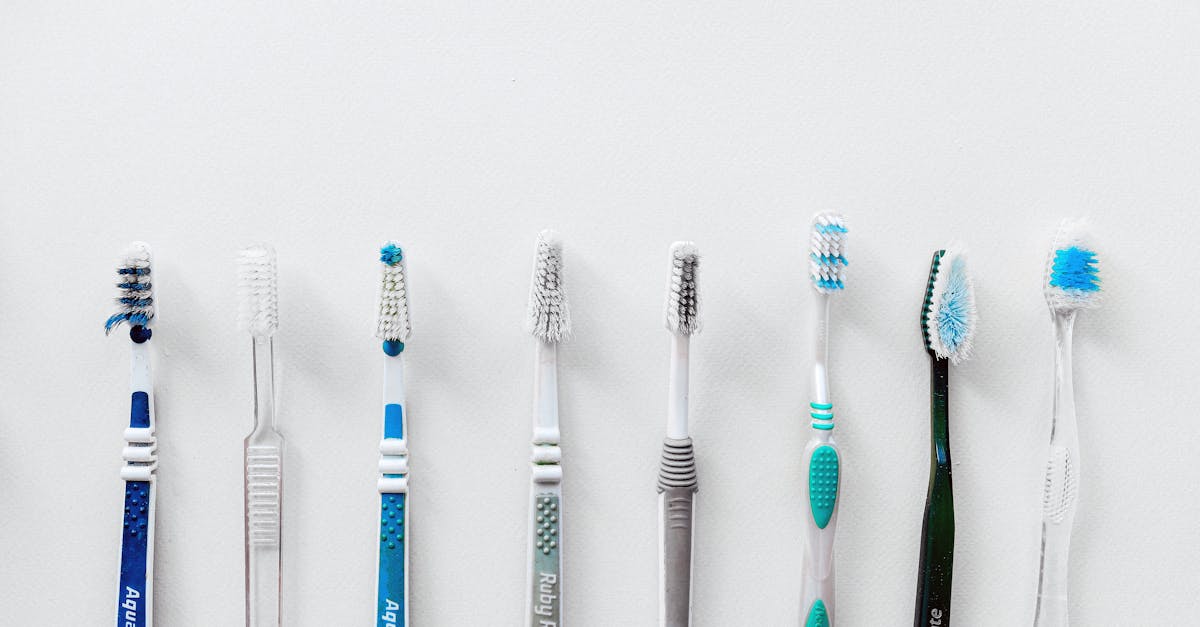
Six Months Without a Smart Toothbrush: My Unexpected Dental Health Revelation
For years, I was a loyal disciple of the smart toothbrush. The apps, the pressure sensors, the quadrant timers – they all promised a dentist-approved clean, a data-driven path to perfect oral hygiene. My smart toothbrush was a sleek, vibrating testament to technology’s ability to optimize every aspect of life, even the mundane act of brushing my teeth. I bought into the idea that more data meant better results, that guided brushing would eliminate my bad habits and leave me with a sparkling, cavity-free smile. I’d diligently review my brushing scores, striving for that elusive 100%, convinced I was doing everything right.
Yet, despite all the smart tech and diligent tracking, my dental check-ups remained frustratingly consistent. My hygienist would still point out areas I was missing, patches of plaque I swore I’d targeted. I still had sensitivity, and the ‘perfect’ brushing scores from my app didn’t translate into tangible improvements at the dental office. It felt like I was putting in the effort, but the results weren’t matching the promise. I started to wonder if the endless metrics and digital coaching were actually distracting me from the fundamental principles of good oral care, rather than enhancing them. After another less-than-stellar check-up and feeling a growing fatigue with charging yet another smart device, I decided to try something radical: six months without a smart toothbrush. My goal wasn’t just to save a few minutes charging, but to genuinely understand if the tool or my technique was the real differentiator in dental health. What I discovered in that time completely reshaped my approach to oral hygiene, proving that sometimes, less tech truly means more awareness.
Key Takeaways
- Excessive data from smart toothbrushes can distract from fundamental brushing technique and tactile feedback.
- Relying on app scores often leads to ‘brushing for the score’ rather than focusing on actual plaque removal.
- Developing a mindful, tactile brushing approach without digital prompts significantly improves understanding of your mouth’s unique needs.
- Manual brushing or a simpler electric toothbrush, paired with intentional technique, can lead to superior dental health outcomes.
The Illusion of Perfection: Why App Scores Mislead More Than They Help
My smart toothbrush app was an addictive little game. Every morning and night, I’d watch the timer count down, the virtual teeth glow green as I ‘covered’ each quadrant, and the pressure sensor alert me if I was pressing too hard. The ultimate goal was always that 100% score – a digital badge of honor that assured me I had achieved peak oral hygiene. The problem? That perfect score rarely translated to perfect health. In my experience, focusing on the app’s visual feedback often turned brushing into a performance for the screen rather than a genuine, thorough cleaning. I was so fixated on ensuring the virtual tooth turned green that I sometimes overlooked the actual feel of my teeth.
The mistake I see most often is that people, myself included, start brushing for the score. If the app indicated I’d spent enough time on a section, I’d move on, even if it didn’t feel entirely clean. The digital representation didn’t always match the tactile reality of my mouth. What changed everything for me was putting the phone away and relying solely on my senses. Without the distracting visual cues, I started paying attention to the texture of my teeth, the feeling of the bristles against my gums, and the absence or presence of plaque. I learned that a perfect app score meant very little if my tongue could still detect a fuzzy film on my molars. This shift helped me recognize that the metrics, while seemingly helpful, were creating an illusion of perfection that masked actual missed spots and inadequate cleaning.
Reclaiming Tactile Awareness: Feeling Your Way to a Cleaner Mouth
One of the most profound shifts I experienced without the smart toothbrush was the return of tactile awareness. With my smart brush, I often felt like my hand was merely guiding a high-tech tool, with the real work being done by the vibrating head and the app’s instructions. When I switched to a basic electric toothbrush – and sometimes even a manual one – I was forced to engage more directly with the act of brushing. This meant really feeling the bristles on each tooth surface, understanding the contours of my mouth, and identifying areas that required more attention.
For example, I have a few teeth that are slightly rotated, creating tiny nooks where plaque loves to hide. The smart toothbrush’s generic quadrant guidance didn’t account for this nuance. Without the app, I could spend an extra few seconds carefully angling the brush head into those specific spots, relying on the feeling of a smooth, clean surface as my indicator of success. It wasn’t about a timer, but about a sensation. In my experience, this mindful, tactile approach is incredibly effective. It’s about building a mental map of your mouth, understanding its unique topography, and developing a technique that responds to its specific needs, not a universal digital algorithm. This heightened awareness allowed me to truly connect with the cleaning process, moving beyond robotic motions to an intentional, effective technique.
The Power of Focus: Intentional Brushing Over Automated Routines
The promise of smart toothbrushes is often automation: you just follow the prompts, and the device handles the ‘thinking.’ While this sounds appealing, it can inadvertently lead to a disconnect from the brushing process itself. I found myself going through the motions, letting the app dictate my pace and pressure, without truly focusing on the task. It was like driving a familiar route on autopilot – you get there, but you might not remember the details of the journey.
What truly changed for me was replacing this automation with intention. Instead of blindly following a digital guide, I consciously thought about what I was doing. I focused on small sections of my teeth, making sure each surface was thoroughly cleaned before moving on. This meant slowing down, deliberately angling the brush, and really feeling for smoothness. This newfound focus wasn’t just about brushing; it spilled over into other areas of my wellness routine, encouraging a more mindful approach to daily tasks. I realized that the best tools, whether high-tech or simple, are only as effective as the intention and focus you bring to using them. A basic toothbrush with a focused user will always outperform a smart toothbrush on autopilot.
Beyond the Metrics: What Real Dental Health Feels Like
Before my experiment, I associated good dental health with high app scores and my dentist’s occasional nods of approval. After six months without the smart toothbrush, my understanding shifted dramatically. Good dental health wasn’t a number; it was a feeling. It was the feeling of genuinely smooth teeth when I ran my tongue over them, the absence of lingering food particles, and a fresh, clean sensation that lasted longer than before. My gums felt healthier, less prone to bleeding, and the sensitivity I’d experienced in certain areas gradually subsided.
My next dental check-up was the real test, and for the first time in years, the feedback was genuinely positive. My hygienist noted a significant reduction in plaque buildup, especially in those tricky, rotated areas I’d learned to target. The best part? I didn’t have a single data point to show for it, just the tangible evidence of improved oral health. This revelation reinforced my belief that sometimes, true wellness isn’t found in more data or complex technology, but in a return to fundamental practices, informed by awareness and intention. It’s about building a deeper connection with your body and trusting your own senses to guide you toward genuine well-being.
Frequently Asked Questions
Do smart toothbrushes actually improve oral hygiene?
For some, the initial guidance and motivation can be helpful. However, in my experience, they often create an over-reliance on app metrics rather than fostering genuine tactile awareness and intentional brushing technique. Real improvement comes from consistent, focused effort on your technique, not just hitting a digital score.
Is a manual toothbrush better than an electric one?
Not necessarily. A good quality electric toothbrush, especially one with a simple timer and pressure sensor (without the full smart app ecosystem), can be highly effective. The key is how you use it. My experiment shifted me to a simpler electric brush, focusing on technique over data, which yielded better results than my previous smart model.
How can I improve my brushing technique without an app?
Focus on mindful, tactile brushing. Use a soft-bristled brush and angle it at 45 degrees to your gum line, gently moving in small circles. Pay attention to the feeling of each tooth becoming smooth. Take your time, ensure you reach all surfaces, and don’t neglect your gum line or tongue. A two-minute timer can still be useful, but let your senses guide the quality of the clean.
What are the real signs of good oral hygiene?
Beyond a fresh feeling, real signs include smooth teeth (you can feel the difference with your tongue), healthy, pink gums that don’t bleed when brushed or flossed, and a lack of lingering food debris. Regular dental check-ups remain essential, but you should feel the difference in between visits.
How often should I replace my toothbrush head?
Whether manual or electric, you should replace your toothbrush head every three to four months, or sooner if the bristles are frayed. Worn bristles become less effective at cleaning and can harbor more bacteria, regardless of whether it’s a smart toothbrush or a basic one.
Conclusion
My six months without a smart toothbrush were far more than just a break from charging another gadget. It was a profound lesson in rediscovering the fundamentals of oral hygiene. I learned that true cleanliness comes not from dazzling data points or gamified apps, but from mindful attention, tactile feedback, and intentional effort. By stripping away the digital distractions, I was able to build a deeper connection with my body and develop a brushing technique that truly addressed the unique needs of my mouth. If you’re feeling frustrated by your smart toothbrush’s promises and want to see real improvements, I encourage you to step back from the metrics. Embrace a simpler tool, focus on the sensation of a truly clean mouth, and trust your own senses. Your teeth – and your hygienist – will thank you.
Written by Chloe Davidson
Consumer advice, health, and sustainable living
With a background in consumer advocacy, Chloe is dedicated to vetting information and ensuring practical utility for readers.